Balance and Coordination: Essential Systems for Graceful Movement
An exploration of the mechanisms of balance, coordination, and practical approaches to enhancing stability throughout life.
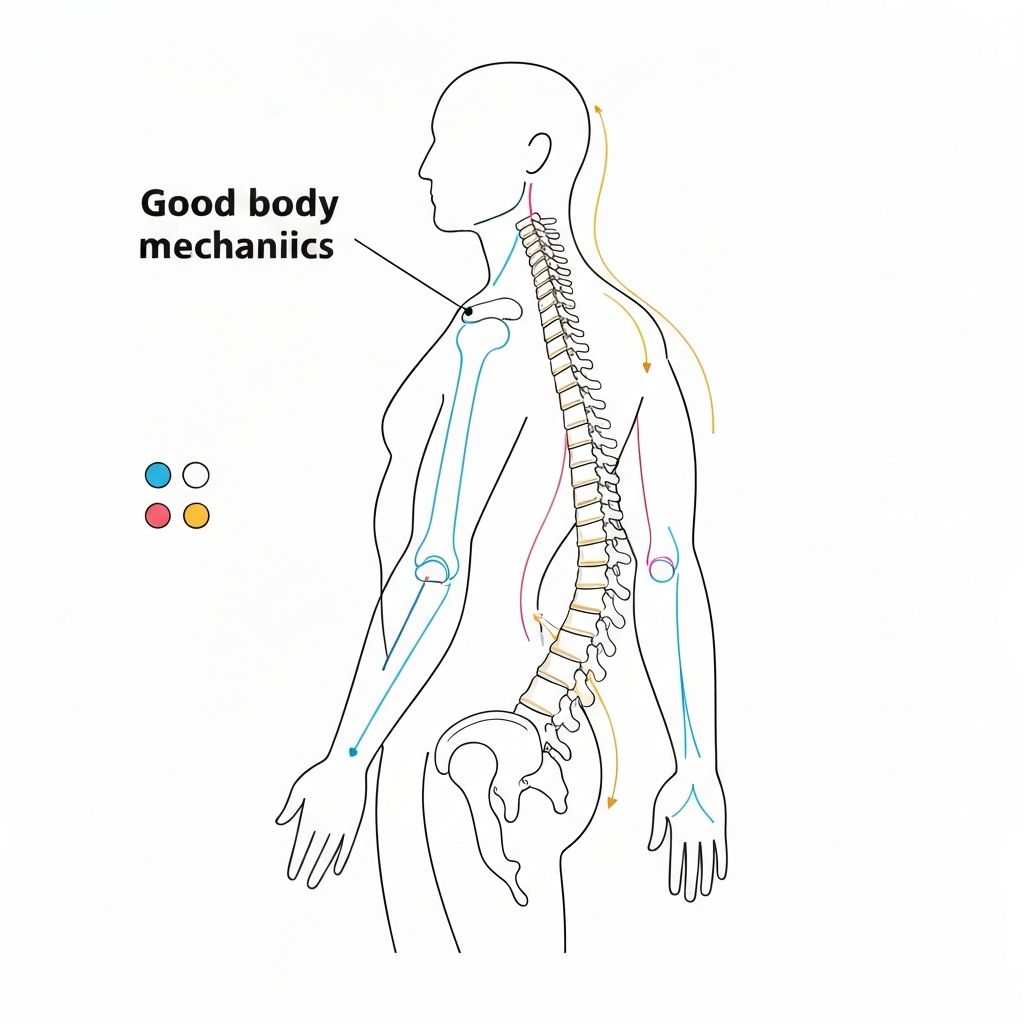
Understanding the Complexity of Balance Systems
Balance represents a sophisticated integration of multiple sensory systems working in coordination. The human nervous system constantly processes information from the inner ear, eyes, proprioceptors throughout the body, and tactile sensation to maintain stability. This intricate system allows individuals to maintain posture, move with control, and respond appropriately to environmental challenges.
These systems function largely outside conscious awareness; individuals do not consciously calculate balance but rather experience it as an automatic process. Yet like all physiological systems, balance can be enhanced through deliberate practice and appropriate stimulation. Understanding the systems involved provides insight into how specific activities enhance balance capacity.
The Vestibular System: Inner Ear Balance
The vestibular system, located within the inner ear, contains specialized sensory organs that detect head position and movement. These structures provide critical information about balance and spatial orientation. The vestibular system constantly sends signals to the brain regarding head position relative to gravity, enabling appropriate postural adjustments and eye movements to maintain stability.
Specific movements and activities stimulate the vestibular system appropriately. Head turns, looking up and down, and movements that change head position all provide vestibular input. These simple movements, incorporated into daily activity or deliberate exercise, maintain vestibular system sensitivity and responsiveness.
Proprioception: Body Awareness in Space
Proprioceptors are sensory receptors located throughout muscles, tendons, joints, and connective tissues. These specialized structures provide continuous feedback about limb position, muscle tension, and body position relative to space. This proprioceptive sense enables individuals to know where their body is without looking, maintaining stability and control during movement.
Proprioceptive awareness can be enhanced through activities that challenge body position sense. Balancing on one foot, walking backward, standing on unstable surfaces, or moving with eyes closed all enhance proprioceptive acuity. These activities stimulate sensory receptors to provide more refined information to the nervous system.
Vision and Balance Integration
Vision provides essential information for balance and spatial orientation. The visual system tracks environmental positions and movement, informing balance adjustments. Though balance can be maintained with eyes closed through vestibular and proprioceptive systems, vision enhances stability and allows more confident movement.
Vision quality and integration change throughout life. Maintaining visual acuity through appropriate eye care and vision correction supports balance. Visual tracking practices and varied visual environments also enhance the visual-balance integration.
Muscle Strength and Balance
Strong muscles provide the physical foundation for balance maintenance. Weak or unbalanced muscle development creates difficulty maintaining stable posture and responding to balance challenges. Strength training, particularly of the legs, core, and postural muscles, enhances balance capacity significantly.
Specific muscles support balance more directly than others. Ankle stabilizers, hip muscles, core muscles, and postural extensors all contribute to balanced maintenance. Activities that challenge these muscle groups enhance balance through improved muscular support.
Activities Enhancing Balance and Proprioception
Numerous activities effectively enhance balance and proprioceptive awareness:
- Yoga and Tai Chi - These practices emphasize slow, controlled movements that challenge balance while building strength and flexibility
- Single-leg activities - Standing on one foot, single-leg exercises, or activities requiring balance on one leg enhance stabilizer muscle strength
- Unstable surface training - Practicing balance on foam pads, balance boards, or similar surfaces heightens proprioceptive challenge
- Dance and movement - Coordinated movement patterns, directional changes, and rhythm-based activities enhance coordination and balance
- Walking variations - Backward walking, walking with eyes closed, or walking on varied terrain provides balance challenges
Balance and Fall Prevention
Enhanced balance directly supports fall prevention and maintains confidence in movement. Falls represent a significant health concern, often resulting in injuries that disrupts independence. Regular balance training substantially reduces fall risk through improved stability, strength, and proprioceptive awareness.
Fall prevention extends beyond balance training to include attention to environmental factors, appropriate footwear, lighting, and removing tripping hazards. A comprehensive approach combines improved physical balance capacity with environmental modification.
Age-Related Changes in Balance
Balance systems undergo gradual changes throughout the lifespan. Vestibular sensitivity may decline slightly, proprioceptive acuity may reduce, muscle strength naturally decreases, and vision may change. These changes are normal and do not necessarily impair function if balance training maintains system responsiveness.
Individuals who maintain active balance practices throughout life often preserve balance capacity into advanced age. Consistent engagement with balance-challenging activities preserves the neural connections and muscular strength supporting balance. This preventive approach proves significantly more effective than attempting to restore lost balance capacity later.
Integrating Balance Training Into Daily Life
Balance enhancement need not require special training. Incorporating balance-challenging activities into daily routine provides consistent stimulation. Standing on one foot while brushing teeth, practicing single-leg activities during household tasks, or engaging in recreational activities emphasizing balance all contribute to enhanced balance capacity.
Educational Information
This article is provided for educational purposes only. It represents general information about balance systems and enhancement strategies. Individuals with balance concerns or who have experienced falls should consult with qualified healthcare providers for personalized assessment and recommendations.